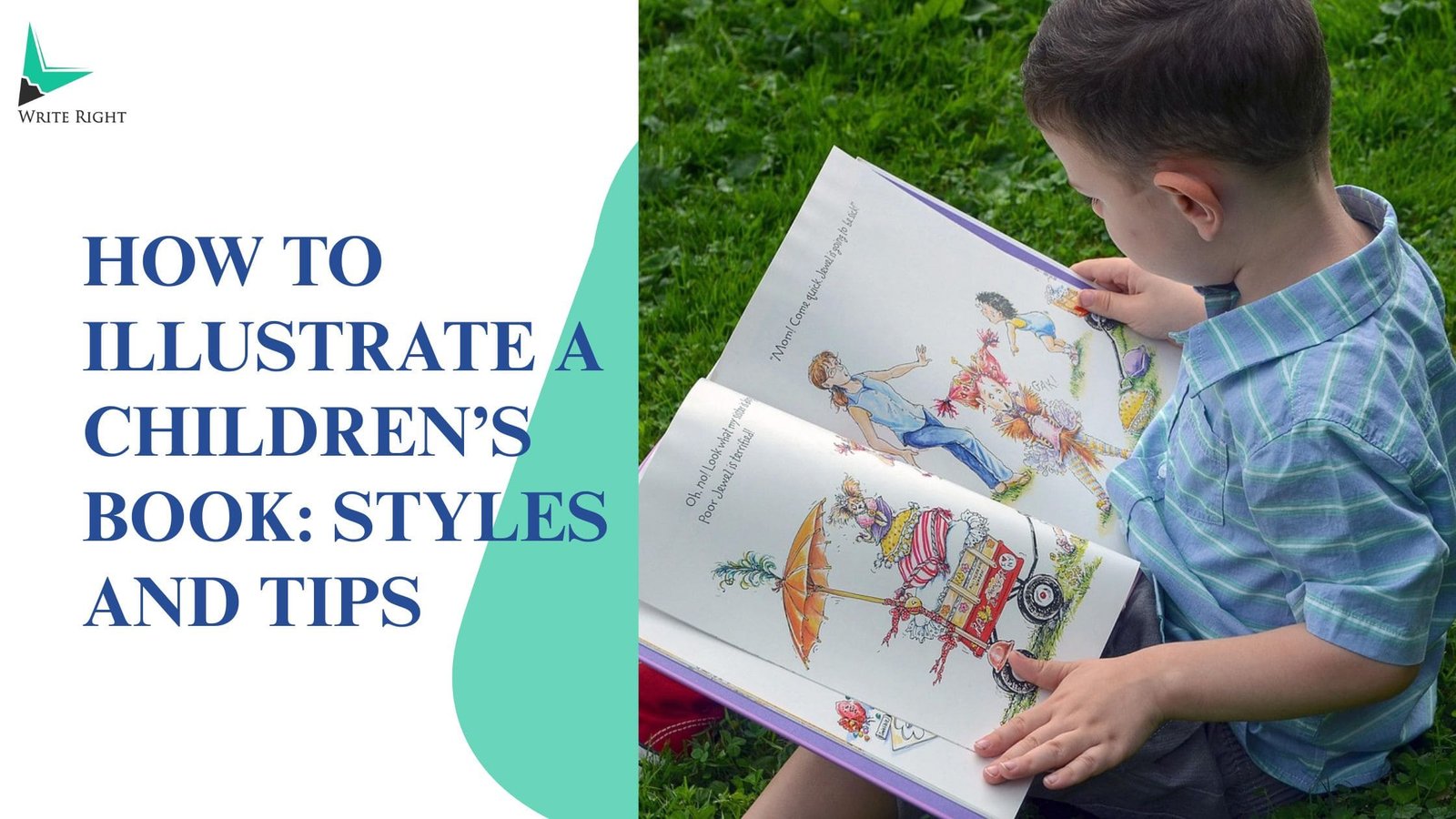
How to illustrate a children’s book is a skill that mixes visual thinking, simple storytelling, and smart planning. You do not need fancy art training to start. You need clear ideas, steady practice, and a good understanding of what young readers enjoy.
Many writers and artists want to know how to illustrate a children’s book that stands out in today’s market. Strong visuals can turn a simple story into a favorite bedtime book. Good pictures help kids understand emotions, actions, and messages in a fun way.
This guide shares clear steps, useful book illustration tips, and real industry insights. You will also learn about styles, tools, and planning methods that help you build strong results from start to finish.
How to Illustrate a Children’s Book: Styles and Tips
Illustrations shape the reading experience. They guide attention, support the story, and keep children engaged. So, learning how to illustrate a children’s book starts with understanding styles and visual direction.
Different children’s book illustration styles suit different stories. A funny story may use bright cartoon art. A calm bedtime story may use soft watercolor scenes. Choosing the right style sets the mood for the entire book.
Common Children’s Book Art Styles
Below is a simple table that shows popular children’s book art styles used by authors and illustrators:
| Style Type | Description | Best For |
|---|---|---|
| Cartoon Style | Simple shapes and bold colors | Humor-based stories |
| Watercolor Style | Soft textures and light tones | Bedtime or emotional stories |
| Digital Flat Style | Clean shapes and smooth design | Modern educational books |
| Pencil Sketch Style | Hand-drawn feel with fine detail | Classic or nostalgic stories |
| Mixed Media Style | Combination of tools and textures | Creative storytelling |
Each style supports different story goals. Strong planning helps you pick the right one for illustrating a picture book that feels complete.
Choosing the Right Illustration Style
Strong choices depend on your audience and story tone. A bright and playful story needs high energy visuals. A calm moral story needs soft and simple designs.
You should also think about printing quality and platform. Some styles work better in print books, while others look best in digital formats. This step plays a big role in how to illustrate a children’s book that sells well.
A common mistake is choosing a style only based on trends. Instead, match the story mood with visual design. That leads to better reader connection.
Book Illustration Tips for Strong Results
Good visuals do not come from complex art. They come from smart planning. These book illustration tips help you create strong pages:
Keep characters consistent
Children recognize characters quickly. Keep shapes, colors, and features the same in every page.
Use simple backgrounds
Too much detail can distract young readers. Clean backgrounds help focus on the story.
Show clear emotions
Children understand faces better than words. Strong expressions make storytelling easier.
Plan page flow
Each page should guide the reader smoothly to the next one.
Match text and image
Words and pictures should support each other, not repeat the same thing.
These book illustration tips help both beginners and professionals improve their work quality.
Illustrating a Picture Book Step-by-Step
Illustrating a picture book needs a clear plan. You cannot jump straight into drawing pages without structure.
Here is a simple process:
Step 1: Read the story carefully
Understand characters, emotions, and scenes.
Step 2: Break the story into pages
Decide what each page will show.
Step 3: Create rough sketches
Draw simple outlines first. Focus on layout.
Step 4: Finalize characters
Lock the main character design before final art.
Step 5: Add color and detail
Work on final visuals based on your chosen style.
Step 6: Review full flow
Check how pages look together as a full book.
This method helps reduce errors and saves time during production.
Digital vs Traditional Book Illustration
Many beginners ask about digital vs traditional book illustration. Both methods have strong benefits.
| Factor | Digital Illustration | Traditional Illustration |
|---|---|---|
| Tools | Tablets, software | Paint, pencils, paper |
| Editing | Easy changes | Hard to fix errors |
| Speed | Faster workflow | Slower process |
| Cost | Lower long-term cost | Higher material cost |
| Style Control | Flexible and clean | Natural texture |
Today, many artists prefer digital tools due to speed and editing control. However, traditional methods still work well for unique textures.
Understanding digital vs traditional book illustration helps you choose the right path for your project.
How to Find an Illustrator for Your Book
Many authors look for support when they do not draw. So, knowing how to find an illustrator for your book becomes important.
You can follow these steps:
- Check portfolios on professional platforms
- Review past children’s book work
- Discuss style before starting
- Ask for sample sketches
- Set clear deadlines and payment terms
Strong communication builds better results. Always share your story vision clearly.
Working with experts like Write Right can help you connect with skilled professionals who understand publishing needs.
Cost of Book Illustration India
Budget planning plays a key role in publishing. The cost of book illustration India depends on many factors such as experience, style, and page count.
Here is a simple cost guide:
| Type of Illustrator | Cost Per Page (Approx.) | Experience Level |
|---|---|---|
| Beginner | ₹500 – ₹1500 | New artists |
| Mid-Level | ₹1500 – ₹4000 | Some experience |
| Expert Illustrator | ₹4000 – ₹10000+ | Professional books |
The cost of book illustration India also changes based on deadlines and complexity. Detailed books with full-page art cost more.
Planning your budget early helps avoid delays.
Children’s Book Cover Illustration
A strong cover attracts readers first. Children’s book cover illustration must be simple, bright, and easy to understand at a glance.
Here are key points:
- Use one main character
- Keep title clear and large
- Use strong contrast colors
- Show story emotion in one frame
- Avoid crowded designs
A good children’s book cover illustration increases book clicks and sales on online platforms.
Children’s Book Illustration Styles in Practice
Many authors study children’s book illustration styles before final selection. This helps match visuals with story tone.
Some popular choices include:
- Cartoon for humor books
- Watercolor for emotional stories
- Digital flat design for modern learning books
Studying children’s book illustration styles helps you make better creative decisions early in the process.
Book Illustration Tips for Long-Term Success
Strong publishing results come from planning. These book illustration tips help maintain quality across full books:
- Stick to one style throughout the book
- Keep color palette consistent
- Test sample pages before final printing
- Review artwork with target readers
- Keep layout simple and clean
These habits improve the final reading experience.
Illustrating a Picture Book for Publishing Success
When you focus on illustrating a picture book, always think about the reader’s age group. Younger kids need simple visuals. Older kids can handle more detail.
Strong planning helps you avoid confusion during printing. It also helps publishers approve your book faster.
Final Thoughts
Learning how to illustrate a children’s book takes time, patience, and practice. You do not need to rush. Focus on simple steps, clear visuals, and strong storytelling through images.
Right planning makes illustrating a picture book easier and more enjoyable. Choose the right children’s book illustration styles, apply smart book illustration tips, and stay consistent from start to finish.
If you want expert help, Write Right offers professional support for writing, editing, and illustration services. The team helps authors turn ideas into strong, market-ready children’s books with expert design and publishing guidance.
Get in touch with Write Right today and turn your story into a beautifully illustrated book that children will love.